Thinking about trading city rent, street parking, and tight square footage for a suburban home, but not ready to give up convenience? Roselle often lands on that short list for a reason. If you are a first-time buyer leaving Chicago, this village offers a mix of transit access, a growing downtown, and entry-level home options that can make the jump feel more realistic. The key is knowing how Roselle works block by block, address by address, and budget line by budget line. Let’s dive in.
Why Roselle draws city buyers
Roselle sits about 25 miles from Chicago and has nearly 23,000 residents. It offers a suburban setting with 158 acres of green space, 16 parks, and a downtown area shaped by local restaurants, shops, wineries, and recurring community events.
For many first-time buyers, that combination matters. You may want more space and a different pace without feeling disconnected from daily conveniences. Roselle stands out because it can support both goals at once.
A suburb with a real town center
Some suburbs feel spread out and car-dependent from the start. Roselle has a more defined downtown identity, and the village is actively planning for a more walkable core with stronger station-area connections and more residential and commercial development around downtown.
That does not mean every future improvement is guaranteed on a fixed timeline. These are planning documents, not promises. Still, for a buyer thinking long term, it is useful to see that the village is investing attention in how downtown functions and grows.
What commuting looks like from Roselle
If you are leaving the city, commute anxiety is often part of the decision. Roselle has a Metra station on the Milwaukee District/West Line with service to Union Station in downtown Chicago, and the village provides commuter parking at the station.
That setup can make Roselle feel more familiar to buyers who still want train access as part of everyday life. You may be moving to the suburbs, but that does not always mean giving up rail transit completely.
Station access adds practical value
Village project materials describe a grade-separated, ADA-compliant corridor designed to improve access between the Metra station and downtown Roselle. For buyers, that matters because it supports the kind of daily routine many city households care about: train access, easier movement, and a more connected downtown area.
In simple terms, Roselle is not just selling the idea of convenience. It is planning around it.
What first-time buyers can actually buy
One of the biggest questions in a city-to-suburb move is whether your budget will stretch far enough. In Roselle, current market snapshots suggest entry-level inventory exists across several property types, including condos, townhouses, vintage homes, and single-story homes.
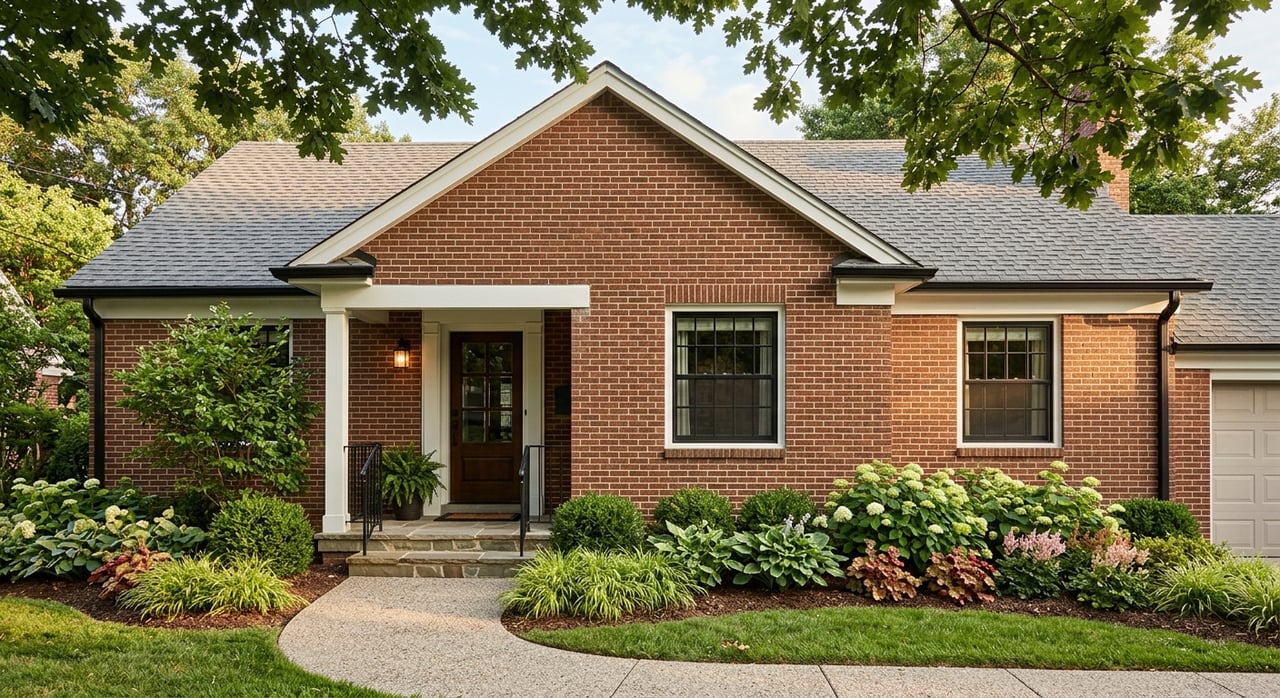
That variety is important. If you are buying for the first time, you may not need or want a large detached home right away. Roselle can give you multiple ways to enter the market depending on your budget, upkeep tolerance, and space needs.
Starter options may include
- Condos
- Townhomes
- Smaller single-family homes
- Vintage homes
- Two-bedroom and three-bedroom layouts
This does not mean every listing will feel affordable or move-in ready. It does mean Roselle is not limited to one housing type, which gives first-time buyers more ways to compare tradeoffs.
Roselle pricing requires careful context
Roselle price expectations can get confusing fast if you look at one headline number and stop there. On a broader Roselle city page, the median sale price was $382,271 in May 2026. That was about 9% below Chicago, about 10% below Evanston, and about 24% below Oak Park.
But a Village of Roselle page showed a median sale price of $427,856, which is much closer to Chicago and Evanston. The takeaway is simple: your budget conversation needs to be specific to the part of Roselle you are targeting.
Why one Roselle number is not enough
Roselle crosses county lines. The village says it is mostly in DuPage County, with a Cook County portion, and it is served by seven school districts.
That affects more than just a map. Exact address can shape taxes and school assignments, so broad averages only tell part of the story.
Competition is still real
Roselle may offer a more accessible starting point than some close-in suburbs, but it is not a slow market. Current snapshots show homes selling in roughly 36 to 41 days and averaging about 4 to 5 offers, depending on the boundary used.
For you, that means two things can be true at once. Roselle may have entry-level inventory, and you may still need to move decisively when the right home appears.
How to prepare for a competitive search
A strong first-time buyer plan usually includes:
- Getting clear on your full monthly budget early
- Comparing property types before you shop emotionally
- Narrowing your must-haves versus nice-to-haves
- Testing your commute before committing to an area
- Reviewing address-specific taxes and other costs
This kind of preparation helps you act with confidence instead of rushing under pressure.
Focus on monthly cost, not just price
First-time buyers often fixate on list price because it is the easiest number to see. In Roselle, the smarter lens is the full monthly payment.
Because Roselle spans Cook and DuPage counties and multiple school districts, taxes can vary by address. A condo may also bring HOA dues, while a single-family home may bring higher maintenance and different insurance costs.
Build your Roselle budget this way
Compare homes using the full payment picture:
- Principal and interest
- Property taxes
- Homeowners insurance
- HOA dues, if applicable
- Commuting costs
This is where a suburban move can feel either manageable or more expensive than expected. Two homes with similar sale prices may feel very different once monthly carrying costs are added up.
Condos, townhomes, or single-family homes?
If you are coming from the city, your first suburban home does not need to match someone else’s idea of success. Roselle gives you room to compare a condo or townhome search with smaller single-family homes before deciding how much upkeep you want.
That is an especially useful exercise here. You can test what matters most to you: less maintenance, more privacy, a yard, easier parking, or proximity to the station and downtown.
Questions to ask yourself
- Do you want lower-maintenance living or more control over the property?
- How important is walkability to the station or downtown?
- Would you trade square footage for a simpler monthly budget?
- Are you comfortable with HOA rules and fees?
- How much weekend upkeep do you actually want?
There is no universal right answer. The right fit depends on how you want your daily life to feel after the move.
A smart way to test Roselle before buying
Roselle is a place where on-the-ground research can tell you more than a listing alert alone. A smart first step is to test the commute, walk the downtown core, and compare different pockets of the village in person.
Because the village provides commuter parking and is improving station-to-downtown access, this kind of visit is especially practical. You can get a better sense of whether Roselle supports the lifestyle you are trying to build, not just the house size you want.
Try this weekend plan
- Drive to Roselle at the time you would normally commute
- Visit the Metra station and commuter parking area
- Walk through downtown Roselle
- Tour both an attached home and a smaller detached home if possible
- Compare how each option feels in real life, not just online
That simple exercise can make your priorities much clearer.
First-time buyer help to review early
If you are buying your first home in Illinois, it is worth reviewing state-backed programs early in the process. IHDA says its Access Home program can provide assistance equal to 6% of the purchase price, up to $15,000.
IHDA also says some of its mortgage products require only $1,000 or 1% of the purchase price from the borrower. In addition, it offers housing counseling and pre-purchase education resources.
Why timing matters with assistance programs
Programs can affect how you plan savings, financing, and monthly affordability. If you wait until you are already writing offers, you may miss opportunities to structure your purchase more effectively.
For first-time buyers, early planning usually creates better options and less stress.
Roselle can work, if you buy with precision
Roselle appeals to many city buyers because it checks several boxes at once: train access, a defined downtown, green space, and a range of housing types. But the details matter here. County lines, school district boundaries, taxes, monthly cost, and property type choices can all change the picture.
That is why the best first step is not chasing the lowest list price or the biggest house. It is building a clear plan around your commute, budget, lifestyle, and the specific part of Roselle that fits your goals.
If you want a data-driven way to compare Roselle with other northwest suburbs and narrow down the right starting point, Laura Shulman offers thoughtful, research-based guidance to help you move with confidence.
FAQs
Is Roselle a good fit for first-time buyers leaving Chicago?
- Roselle can be a strong fit if you want suburban space, Metra access to downtown Chicago, a defined downtown area, and a range of property types such as condos, townhomes, and smaller single-family homes.
How far is Roselle from Chicago for suburban buyers?
- Roselle is about 25 miles from Chicago and has Metra service on the Milwaukee District/West Line to Union Station.
What kinds of homes can first-time buyers find in Roselle?
- Current market snapshots suggest first-time buyers may find condos, townhouses, vintage homes, single-story homes, and two-bedroom or three-bedroom options in Roselle.
Are Roselle homes competitive for first-time buyers?
- Yes. Current snapshots show homes selling in roughly 36 to 41 days and averaging about 4 to 5 offers, so preparation still matters.
Why do Roselle taxes and school assignments vary by address?
- Roselle crosses county lines, with most of the village in DuPage County and a portion in Cook County, and it is served by seven school districts, so exact address matters.
What should first-time buyers include in a Roselle monthly budget?
- A Roselle home budget should include principal and interest, property taxes, homeowners insurance, HOA dues if applicable, and commuting costs.